QUICK ANSWER
Seed starting mix vs potting soil comes down to texture and nutrients: seed starting mix is fine, sterile, and low in nutrients, built for fragile germinating roots — potting soil is coarser and nutrient-rich, built for plants that are already established. Using the wrong one for the wrong stage is one of the most common reasons seedlings fail before they even get going.
Seed Starting Mix vs Potting Soil: What’s Actually Different
The core difference in seed starting mix vs potting soil comes down to two things: texture and nutrition, and both exist for a reason tied to what a plant needs at each stage of its life.
Seed starting mix is fine-textured and lightweight, typically made from peat moss or coconut coir combined with perlite or vermiculite — deliberately containing little to no actual soil, compost, or fertilizer. That fine texture matters enormously to a germinating seed: the emerging root is delicate and thread-thin, and a dense material simply blocks its path. The low nutrient content is just as deliberate — a seed already carries everything it needs to sprout inside its own tissue, so a rich growing medium isn’t just unnecessary at this stage, it can actively cause problems.
Potting soil is coarser and richer, typically built around compost or aged organic matter, sometimes with added fertilizer. That density and nutrition are exactly what an established plant with a real root system needs to keep growing — but they’re the opposite of what a germinating seed can handle.
Why Using the Wrong One Causes Real Problems
This isn’t just a minor preference — picking the wrong side of seed starting mix vs potting soil at the wrong stage causes specific, predictable problems.
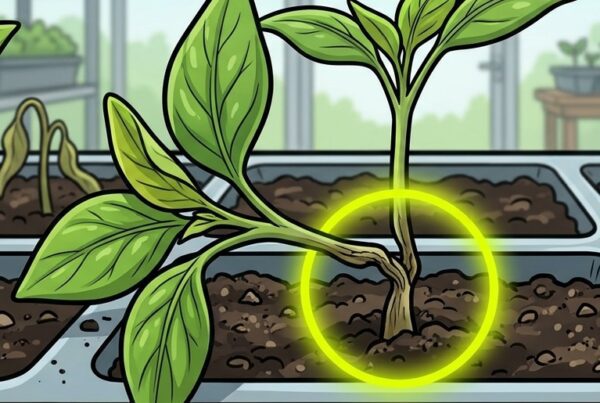
Using potting soil to start seeds risks uneven or failed germination, since its denser structure resists the fine roots pushing through it. It also meaningfully raises the risk of damping off, a fungal disease that thrives in the richer, less sterile environment potting soil provides — exactly the kind of soil-borne pathogen a sterile seed starting mix is designed to avoid. On top of that, the added fertilizer in many potting soils can chemically burn a seedling’s fragile root system before it’s ever had the chance to establish.
Going the other direction has its own problem: leaving a seedling in seed starting mix too long, well past its first true leaves, eventually causes it to stall out. The mix simply doesn’t contain enough ongoing nutrition to support real growth — it was never meant to be a permanent home, only a launching point.
How to Choose and Use Each One Correctly
• Use seed starting mix for germination — from the moment you sow until the seedling has its first set of true leaves (the second set of leaves to appear, which look like the actual plant rather than the generic first leaves).
• Transition to potting soil once true leaves appear. This is the point where the plant’s root system is established enough to handle a coarser, richer medium — and needs the added nutrition to keep developing.
• Never substitute garden soil for either one. Garden soil compacts too easily for either germination or container growth, and can carry weed seeds, insects, or disease that neither commercial mix has to begin with.
• Making your own is a legitimate option if you’d rather not buy commercial mix — a simple DIY seed starting blend of peat moss or coir, perlite, and a small amount of lime to balance acidity covers the same fundamentals as most store-bought versions.
Related Questions
Can I just use potting soil for everything and skip seed starting mix?
You can try, but expect a higher rate of failed or uneven germination. If cost or convenience is the concern, look for a lighter, finer potting soil and sift out large chunks — but a real seed starting mix remains the more reliable choice for germination specifically.
Do I need to fertilize seedlings still in seed starting mix?
Not right away — the seed’s own reserves cover early growth. Once true leaves appear and you either transition to potting soil or begin light fertilizing, that’s the signal the plant needs more than the mix alone provides.
Is seed starting mix reusable for the next batch of seeds?
It’s better to start fresh each time. Reused mix can harbor fungal spores from any previous damping off issues, even if the earlier batch looked healthy, which defeats the sterility that makes seed starting mix worth using in the first place.
Related: How to fix leggy seedlings · Are your old seeds still good?
Sourced from: University of Maryland Extension