QUICK ANSWER
Rootbound plants show clear signs once you know what to look for: soil that dries out unusually fast, roots visible at the drainage holes or circling the soil surface, slowed growth despite regular feeding, and a root ball that holds together as one dense, pot-shaped mass when removed from its container. The fix is repotting into a slightly larger container — but sizing up too aggressively can actually cause a different problem, so getting the size right matters.
Identifying Rootbound Plants
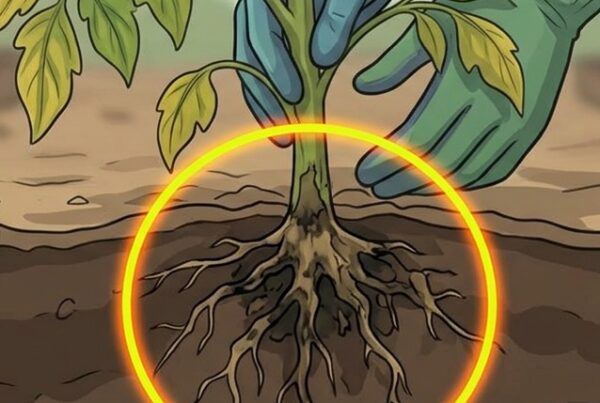
Every container has a finite amount of space, and a plant’s roots don’t stop growing just because they’ve reached the edge of it. Once they hit the pot wall, they have nowhere left to go but around it, winding into a tight, circular pattern instead of the loose, outward-branching structure roots naturally prefer. Over time this creates a dense, tangled mass with very little actual potting mix left to hold water or nutrients — which is exactly why the most common sign of rootbound plants is soil that dries out much faster than it used to, sometimes within a day of watering.
Other reliable signs include roots emerging from the drainage holes, roots visible circling on the soil surface, growth that’s slowed or stalled despite regular feeding, and new leaves coming in noticeably smaller than they used to. If you slide the plant out of its pot, a rootbound specimen typically comes out as one solid, pot-shaped wad — root and soil bound together with barely any loose potting mix visible.
Why Rootbound Plants Struggle
Once roots fill most of the available space, water poured into the pot often runs straight through along the gap between the root mass and the container wall, without properly soaking into the dense center of the root ball. This means a rootbound plant can be technically watered often enough while its roots are still quietly going thirsty — part of why the symptoms can look confusingly similar to underwatering even when you know you’ve been watering regularly.
How to Fix Rootbound Plants Correctly
• Size up moderately, not dramatically. For pots under 10 inches, go up 1-2 inches in diameter; for larger containers, 2-3 inches is plenty. Jumping to a dramatically larger pot leaves too much unused soil around the root ball, and that excess soil holds moisture longer than the plant can use it — creating exactly the damp conditions that lead to root rot.
• Gently loosen the root ball by hand once removed from the old pot. For roots that are extremely tightly wound, making 3-4 vertical cuts along the sides of the root mass encourages new roots to grow outward instead of continuing to circle.
• Use fresh potting mix, not the old soil, since it’s likely been stripped of nutrients over the time the plant spent rootbound in it.
• Maintain the original planting depth when setting the plant into its new container — burying it deeper than it was previously growing can create its own problems.
• Hold off on fertilizing for four to six weeks after repotting. Fresh potting mix already provides enough nutrition for this period, and feeding too soon risks burning the tender new roots that are just starting to grow into the new soil.
Fast-growing plants tend to become rootbound noticeably faster than slower-growing ones, sometimes needing a size-up within a single growing season rather than the more typical yearly timeline. If a plant you know to be a vigorous grower seems to need watering more often than it used to, checking its roots earlier than your usual annual schedule is worth doing — catching it before symptoms become severe makes the whole repotting process considerably less stressful for the plant overall than waiting until it’s visibly struggling and already showing real signs of decline.
Related Questions
How is this different from root rot?
The roots themselves look different — rootbound roots are still pale and firm, just densely tangled, while root rot produces dark, mushy, often foul-smelling roots. If the root ball is dense but the roots are healthy-looking, it’s crowding, not rot.
Can I just keep the plant in the same pot instead of sizing up?
Yes — root pruning is a real alternative if you want to keep the current container. Slicing roughly an inch off the entire outer surface of the root ball (top, sides, and bottom) before repotting into the same pot with fresh soil accomplishes something similar to sizing up.
How often should I check if a plant is rootbound?
Most plants benefit from an annual check, ideally in spring when they’re naturally entering active growth — vigorous growers may need checking more often, slower growers less.