QUICK ANSWER
Collard leaf damage from cabbage worms starts small — a few scattered holes that barely register — but it doesn’t stay that way if left unchecked. Since collards are grown specifically for their leaves, not a head like cabbage or broccoli, even moderate worm damage cuts directly into what you’re actually trying to harvest. Catching eggs and tiny larvae early, before they’ve built up an appetite, matters more here than it does on many other brassicas.
Why Collard Leaf Damage Deserves Extra Attention
Cabbage worms — a catch-all name covering the imported cabbageworm, the cabbage looper, and the diamondback moth larva — feed on the whole brassica family: cabbage, broccoli, kale, collards, and several others. On a plant like cabbage or broccoli, where the harvestable part is a dense head, a fair amount of leaf damage barely matters — the plant can lose real leaf area without meaningfully affecting what ends up on your plate.
Collards don’t get that same buffer. The leaves themselves are the entire crop, so worm damage isn’t just cosmetic background noise the way it can be on a head-forming relative — every hole is directly subtracted from your actual harvest. This is exactly why catching collard leaf damage early, while it’s still a handful of small holes rather than a full-blown infestation, matters more here than it does on many of its brassica relatives.
Catching Collard Leaf Damage Before It Spreads
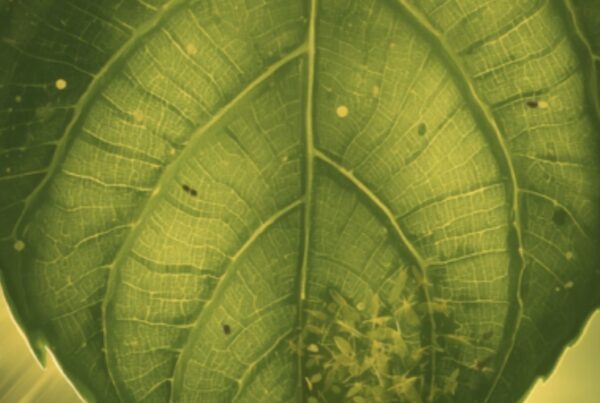
The adult moths and butterflies responsible lay their eggs on the undersides of leaves, often clustered near the veins — checking there regularly, before you ever see feeding damage, is the single most effective habit for staying ahead of the problem. Eggs are tiny, pale, and easy to miss on a quick glance, which is exactly why a deliberate underside check matters more than just scanning the tops of leaves as you walk by.
Young larvae are small and match the leaf color closely, making them genuinely difficult to spot even when you’re looking directly at them. Checking during the cooler parts of the day, and looking specifically for the fine “windowpane” pattern young larvae leave behind — thin, translucent patches where they’ve scraped away just the top leaf layer without eating all the way through — catches damage at its earliest, least costly stage, well before it progresses into the larger, more obvious holes mature larvae leave behind.
It’s worth knowing you may be dealing with more than one type of caterpillar at once. Imported cabbageworms are smooth and velvety green with faint yellow stripes; cabbage loopers move with a distinctive arching, inchworm-like motion since they lack middle legs; diamondback moth larvae are smaller and more slender than either. All three cause similar-looking leaf damage and respond to the same basic control methods, so precisely identifying which species you have matters less than simply recognizing that damage is starting and acting on it early.
There’s a genuinely useful piece of research worth knowing here: NC State Extension has documented that egg-laying moths and butterflies actually prefer collards over broccoli, cauliflower, or cabbage when choosing where to lay their eggs. In practical terms, that means a collard bed growing near other brassicas may draw a disproportionate share of the pest pressure in your garden — worth factoring in if you’re deciding where to focus your monitoring time first.
How to Stop Collard Leaf Damage This Week
• Check leaf undersides on a regular schedule, not just when you happen to notice visible damage — early eggs and young larvae are the easiest stage to control and the hardest to spot without deliberately looking.
• Hand-pick any worms you find — genuinely effective for light, early-stage infestations, and it doesn’t require any product application at all.
• Use row covers early, before moths and butterflies have a chance to lay eggs on your plants in the first place — this prevents the problem rather than requiring you to catch it after the fact.
• Apply Bacillus thuringiensis (Bt) if hand-picking isn’t keeping up. It’s most effective against young larvae specifically, which is one more reason early detection matters — Bt applied to a heavy, mature infestation is considerably less effective than the same treatment applied early.
• Avoid broad-spectrum insecticides where possible, since they also kill off the natural predators and parasitoids that otherwise help keep cabbage worm populations in check on their own.
Related Questions
How is this different from the cabbage worm problem on kale?
It’s the same pest and the same underlying biology — see our general cabbage worm identification and treatment guide for the full picture. This guide focuses specifically on catching damage early, before it accumulates, since collards share kale’s same leaf-is-the-crop vulnerability.
How many holes is too many before I should worry?
There’s no exact number, but a good rule of thumb: a handful of small holes on a few leaves is manageable and worth monitoring closely; holes spreading across most leaves, or larvae visibly present in multiple spots, means it’s time to actively intervene rather than keep watching.
Will cabbage worms move from my collards to nearby tomatoes?
No — cabbage worms are specific to the brassica family (cabbage, kale, collards, broccoli, and relatives). Tomatoes and unrelated crops planted nearby aren’t a host for this particular pest, even in a heavily infested garden.
Related: Cabbage worms on kale
Sourced from: University of Maryland Extension, Mississippi State University Extension, NC State Extension