QUICK ANSWER
To protect seedlings from slugs, focus on the few weeks right after planting — that’s when young, tender growth is most vulnerable and a single night of feeding can wipe out an entire row. A copper barrier around the bed, a beer trap nearby, and starting seedlings in containers rather than direct-sowing all meaningfully cut the risk during this especially fragile window.
Why Seedlings Specifically Need Extra Protection From Slugs
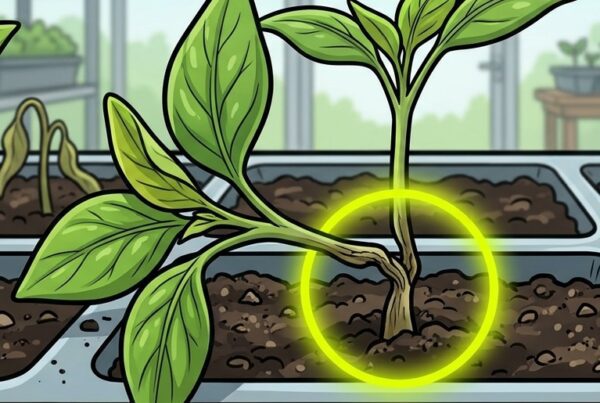
Slugs feed on a wide range of plants, but seedlings and fresh new growth take the worst of it. Mature plants can lose a fair amount of leaf tissue to slugs and barely show it — established root systems and thicker stems give them the reserves to shrug off damage that would kill a seedling outright. A slug population that a full-grown tomato plant would never even notice can strip a just-transplanted seedling down to nothing in a single overnight feeding session.
Damp, shady conditions are exactly what slugs favor, which is also often exactly the environment freshly transplanted seedlings sit in — recently watered soil, still getting established, sometimes in the cooler, less sun-baked part of a bed. Damage typically shows up as ragged, irregular holes, and dried slime trails nearby confirm what’s responsible if you’re not sure.
How to Protect Seedlings From Slugs This Week
• Install a copper barrier around vulnerable beds or containers. Copper reacts with a slug’s slime to create an unpleasant shock-like sensation, and most slugs simply won’t cross it — a strip at least an inch wide works better than a thin line they can slip past.
• Set out beer traps nearby. A shallow container buried flush with the soil surface and filled with beer draws slugs in and drowns them — a genuinely effective, low-cost classic method, though it needs refreshing after heavy rain dilutes it.
• Start seedlings in containers rather than direct-sowing, and transplant once they’re a bit sturdier. This shrinks the window where plants are at their most vulnerable, since slugs are drawn specifically to the softest, most succulent new growth.
• Check at night with a flashlight. Slugs are mostly active after dark, especially in warm, damp conditions — a quick nighttime check lets you hand-pick and remove them directly, which is genuinely effective for smaller infestations.
• Improve drainage and airflow around the bed where practical — thinning nearby plants and letting soil dry out somewhat between waterings makes the area less consistently hospitable to slugs in the first place.
Timing matters more than most people expect. Slug pressure peaks in spring, when there’s abundant tender new growth and conditions are still cool and damp — exactly the season when most seedlings are going into the ground. That overlap is why spring transplants often need the most vigilant protection of the whole year, even if slug numbers technically stay similar or even climb higher later in summer. By the time midsummer arrives, most surviving seedlings have matured past their most vulnerable stage, even though the slugs themselves haven’t gone anywhere. A second, smaller wave of vulnerability often shows up again in early fall, when cooler, wetter conditions return right as fall crops are going in as seedlings of their own.
Some crops are also worth prioritizing over others if you’re short on time or materials. Leafy greens, brassica seedlings like cabbage and broccoli, and anything with soft, tender leaves tend to draw slugs first, while seedlings with tougher or more aromatic foliage are typically left alone longer. If you’re triaging which beds get copper tape or beer traps first, start with your most tender, leafy transplants, and treat sturdier, more established seedlings as a lower priority until real damage shows up.
Related Questions
Once seedlings are established, can I stop worrying about slugs?
Mostly, yes — mature plants tolerate slug feeding far better than seedlings do. Some protection is still worth keeping in place for especially slug-prone crops, but the urgency drops significantly once plants are established.
Do eggshells or diatomaceous earth actually work as barriers?
Results are genuinely mixed — some gardeners find them helpful, others don’t see much effect, and both need replenishing after rain or watering. Copper barriers and beer traps have more consistent track records if you want the most reliable option.
Are slugs the same pest damaging my strawberries?
Often, yes — slugs are a common culprit on ripening strawberries too, though the protection approach differs somewhat between guarding low-growing fruit and guarding young seedlings specifically.
Related: Pests damaging fruit: slugs, birds, and rabbits
Sourced from: University of Minnesota Extension