QUICK ANSWER
Overwatering signs include soft, mushy, yellowing leaves (often starting on the lower, older growth), wilting despite wet soil, and a musty or rotten smell near the base of the plant. The key giveaway that separates it from underwatering is texture — overwatered leaves feel soft and limp, not dry and crispy. Catching it early is genuinely fixable; letting it progress to root rot often isn’t.
The Real Overwatering Signs, and Why They Happen
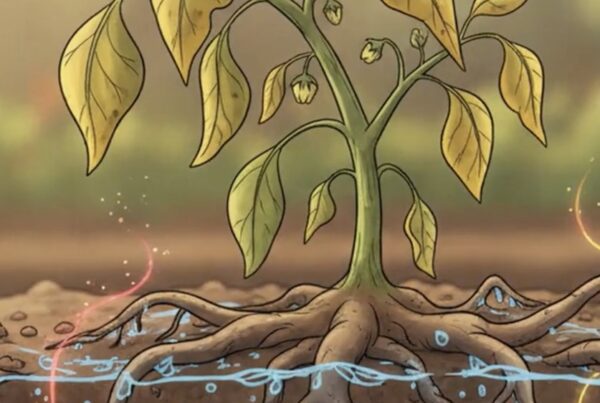
Roots need oxygen just as much as they need water. When soil stays saturated, water fills the air pockets between soil particles that roots normally breathe through, creating an oxygen-starved environment that suffocates the root system. That’s the actual mechanism behind nearly every overwatering symptom you’ll see above ground.
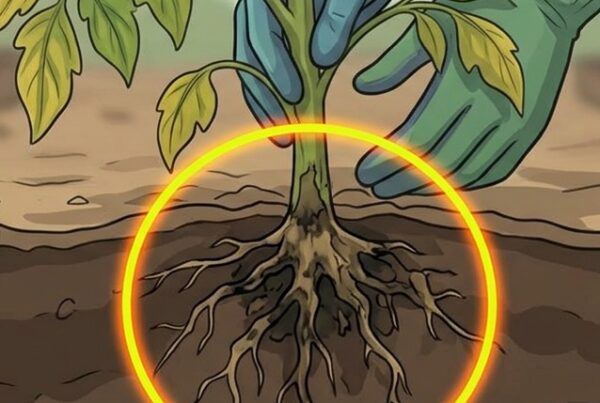
The clearest overwatering signs to look for: leaves that are soft, mushy, and yellowing — often starting on the older, lower leaves first, since damaged roots struggle to deliver nutrients evenly. Wilting despite visibly wet soil is another strong signal, since suffocated roots can’t actually take up the water sitting right around them, even though it’s plentiful. Check the stem near the soil line too — a soft, mushy feel or a musty, rotten smell both point toward root rot already setting in.
Overwatering vs. Underwatering: The One Test That Actually Works
Both problems can cause wilting and yellowing, which is exactly why so many gardeners misdiagnose one as the other and make it worse by watering more. The reliable differentiator is texture, not color: overwatered leaves feel soft, limp, and sometimes blistered (from cells rupturing under excess internal pressure). Underwatered leaves feel dry, crispy, and brittle. When in doubt, touch the leaf before deciding what to do about it.
How to Fix It This Week
• Check soil moisture 1-2 inches down before watering again, not just the surface — surface soil dries out much faster than the root zone underneath, so a dry-looking top layer can be misleading.
• Let soil dry out somewhat between waterings. Water deeply and less often rather than a little every day — frequent shallow watering keeps the whole root zone perpetually wet, which is exactly the condition that causes this.
• Confirm your drainage is actually working. If water is pooling on the surface or draining slowly, the underlying issue may be soil or bed drainage, not just watering habits.
• If roots already smell rotten and stems are mushy, the plant may be past saving — pull it, don’t compost the affected root material, and start fresh with better-draining soil.
Prevention matters more than treatment here, since root rot is genuinely hard to reverse once established. Choosing pots and raised beds with real drainage holes, rather than decorative containers with none, removes one of the most common causes of chronic overwatering symptoms before it ever becomes a problem. For in-ground beds, working compost or coarse organic matter into heavy clay soil improves drainage structurally, addressing the root cause rather than just adjusting your watering habits around a soil type that holds water too long regardless of how carefully you water.
Timing also matters for how these symptoms progress. Mild, occasional overwatering that’s caught within a few days rarely causes lasting harm, since roots can recover once soil dries appropriately. It’s sustained, repeated overwatering over a week or more that actually drives root rot, as the extended oxygen deprivation gradually kills off root tissue that a brief wet spell wouldn’t have damaged. This is worth knowing so a single overly generous watering doesn’t cause unnecessary panic or a rushed, unnecessary repotting. A plant that gets one heavy watering during an unexpected rainstorm, for instance, isn’t in the same danger as one sitting in consistently soggy soil week after week — the total duration of saturation matters far more than any single event.
Related Questions
Can a plant recover from overwatering?
Often, yes, if caught before root rot sets in — stop watering until soil dries out properly, and the plant typically bounces back within a week or two. Once roots are visibly rotted and mushy, recovery becomes much less likely.
Why do my leaves have yellow spots that look almost translucent?
That’s likely edema or blistering — cells rupturing from taking up water faster than they can use it. It’s a genuine overwatering sign, distinct from the more general yellowing pattern.
I'm watering on a strict schedule — how is this still happening?
Fixed schedules don’t account for weather, soil type, or plant size, all of which change how much water is actually needed week to week. Checking soil moisture directly, rather than watering on a calendar, is a more reliable approach.
Related: Fixing poor drainage
Sourced from: Epic Gardening, The Family Handyman