QUICK ANSWER
Parsnips pulled before a hard frost taste bland and starchy. Leave them in the ground through a few freezing nights, and the plant converts stored starch into sugar as a defense against the cold — which is exactly what makes frost-hit parsnips taste sweet and nutty instead of bland.
Why this Happens
Parsnips spend the growing season storing energy as starch in their root. Once temperatures drop below about 41°F, the plant starts converting that starch into sugar. This isn’t just a flavor bonus — it’s the plant’s own antifreeze strategy: sugar-rich cells resist freezing better than starchy ones, so making this switch helps the root survive hard frosts that would otherwise damage it.
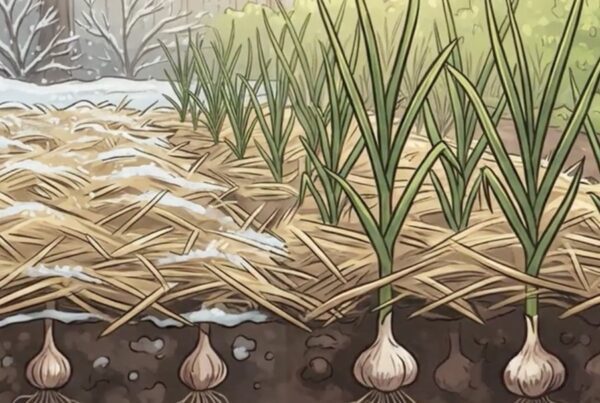
The colder it gets, the more pronounced the effect — which is why parsnips dug after several hard freezes taste noticeably sweeter than ones pulled after just one light frost. Some gardeners take this further and leave parsnips in the ground all winter under a layer of mulch, digging them as needed — the cold soil itself acts as natural storage, and the roots keep sweetening the longer they sit.
How to Get the Sweetest Parsnips
• Don’t harvest early. A parsnip dug in September, before any real cold, will taste starchy and bland compared to the same root left through fall frosts.
• Wait for at least one hard frost, ideally several, before digging — this is when the starch-to-sugar conversion really kicks in.
• Mulch heavily and leave roots in the ground through winter if your climate allows it — you can keep harvesting fresh parsnips through the cold months, and they’ll continue sweetening in place.
• Harvest small-to-medium roots for the best texture — parsnips left to grow too large before digging tend to turn woody and fibrous at the core, regardless of how sweet they are.
• One safety note: parsnip foliage can cause a skin rash in sunlight for some people, similar to other plants in the carrot family — wear long sleeves if you’re handling the tops on a sunny day.
Related Questions
Is this the same reason other vegetables taste better in winter?
Yes — carrots, beets, and turnips all go through the same cold-induced sweetening process, for the same antifreeze reason. Parsnips just take it further than most.
Can I still eat parsnips harvested before a frost?
Yes, they’re perfectly safe — they’ll just taste starchier and less sweet than a frost-hit root. Some gardeners specifically plan around first frost timing to know when to leave crops like this in the ground a little longer.
How do I know when my first frost is likely to hit?
Check the Zone Finder for a rough frost-date window based on your zip or postal code — useful for timing exactly when parsnips (and other frost-sweetened crops) are worth waiting on.
Related: First frost harvest timing