QUICK ANSWER
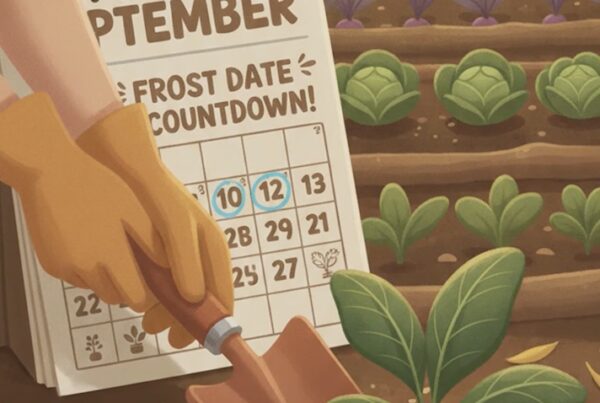
First frost harvest timing means sorting your garden into three groups: harvest now, cover overnight, or leave in place, based on the crop, how cold it’ll actually get at ground level, and how long the cold lasts. Getting that sort right prevents both wasted produce and unnecessary work covering plants that didn’t need it.
First Frost Harvest Timing Starts With Your Actual Garden, Not the Regional Forecast
A frost means the temperature near the ground can reach freezing even when the official air temperature reading (usually measured higher up) looks warmer. Wind, cloud cover, elevation, and how long the cold period lasts all change what actually happens at plant level in your specific yard, something a broad regional forecast doesn’t capture. There’s also a real difference between a brief light frost and a hard freeze, where temperatures stay below freezing long enough to damage far more plant tissue.
Group 1: Harvest Now — Tender Crops
Beans, peppers, and warm-season tomatoes can be injured when ice forms inside their cells, showing up as limp leaves, water-soaked tissue, or darkened fruit once temperatures rise again. If a freezing night is expected, harvest mature beans and peppers, along with tomatoes that are beginning to color, in the afternoon before the cold arrives, not the next morning. Waiting risks the tissue freezing before you can react, and handling frozen produce bruises it easily. Sort as you go: set aside anything already damaged or diseased rather than storing it alongside the healthy harvest, since it can spoil faster and spread that spoilage to good produce nearby.
Green tomatoes are worth saving if they’re full-sized and firm: pick with a small piece of stem attached, keep them somewhere cool and dry, and they’ll ripen gradually off the plant. Very small green tomatoes likely won’t develop much flavor or texture, use your judgment on whether they’re worth the effort.
Group 2: Cover Overnight — Leafy Greens
Lettuce, spinach, and kale can often tolerate a light frost, though tolerance varies by variety. A row cover, breathable fabric made for garden protection, traps a layer of air around the plants. It only works if it reaches the soil on every side and is anchored down; a loose edge lets cold air flow underneath and cancels much of the benefit. Put it on before temperatures fall, and vent or remove it during sunny daytime weather so plants don’t overheat.
A row cover isn’t a guarantee against a hard freeze. For a light frost, it can meaningfully extend your leafy green harvest. For a hard freeze, harvest your most valuable leaves first and treat the cover as extra insurance, not a substitute for picking.
Group 3: Leave in Place — Hardy Roots
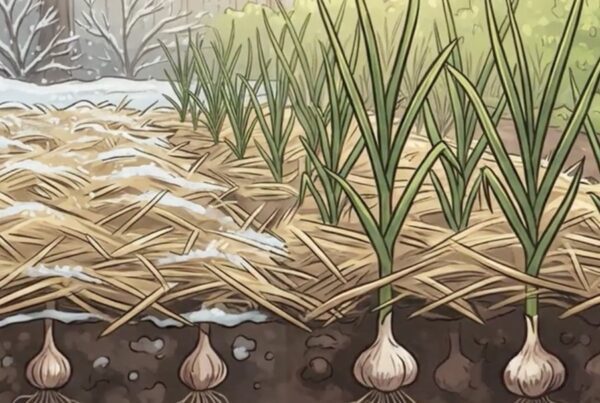
Carrots can usually stay in the ground through a light frost, the surrounding soil insulates the roots, and cool weather can actually improve their eating quality, so there’s no need to rush the harvest. Exposed carrot shoulders are more vulnerable than the buried roots, though, so cover the bed with loose mulch (clean straw or shredded leaves work well). Mulch doesn’t add heat, it slows down how fast cold reaches the root zone, like a blanket. Keep it loose enough for air and water to move through, and avoid piling it tightly against plant crowns.
Containers need extra attention, their soil volume is smaller and loses heat faster than ground soil. If practical, move tender potted herbs or peppers into a sheltered, unheated space before a freeze, checking for insects first.
Knowing When to Stop Fighting for Tender Plants
The forecast is also a useful signal for when to let go, not just when to protect. If nights have turned repeatedly cold and daytime growth has visibly slowed, another round of covering and uncovering a struggling tomato or pepper plant often isn’t worth the effort compared to what you’d actually gain. There’s a real point where a plant is spending more energy surviving than producing, and recognizing that is as much a part of good frost management as knowing when to cover something.
Three Questions Before the Cold Arrives
• What must be harvested today?
• What can stay put with a row cover or mulch?
• What needs a longer-term plan if a hard freeze is coming?
Worth checking stakes, trellises, irrigation lines, and container placement at the same time, good frost prep is about matching the effort to each plant’s tolerance and value, not protecting everything equally.
After the Frost
Use it as a planning signal, not just a one-time event, note which crops stayed productive, which needed protection, and which varieties handled the cold well. Frost timing varies yard to yard, so your own notes are more useful next season than general advice.
Once tender crops are finished, pull them and remove weeds before they set seed. Healthy plant material can go straight into the compost pile, but anything visibly diseased is worth keeping separate and disposing of according to your local guidance instead, since home compost piles don’t always get hot enough to kill off disease pathogens. Keep the bed itself covered with mulch or a cover crop rather than leaving it bare over winter; living roots and organic material in the soil help prevent erosion and keep the structure workable, while a bare, compacted bed tends to lose moisture and gets harder to work again come spring.
Related Questions
Does frost actually make some vegetables taste better?
For carrots specifically, yes, the surrounding soil insulates the roots, and cool weather can improve their eating quality, so there’s no rush to harvest them at the first light frost.
Should I harvest tender crops the morning after a frost warning?
No, harvest in the afternoon before the cold arrives. This gives produce time to dry and avoids handling frozen tissue, which bruises easily.
Are row covers enough to get leafy greens through any freeze?
Not on their own. They work well for a light frost, but for a hard freeze, harvest your most valuable leaves first and treat the cover as extra protection rather than your main plan.
Related: Growing Zone Finder · How does cold weather sweeten parsnips?
Sourced from: Michigan State University Extension, Virginia Tech Extension