QUICK ANSWER
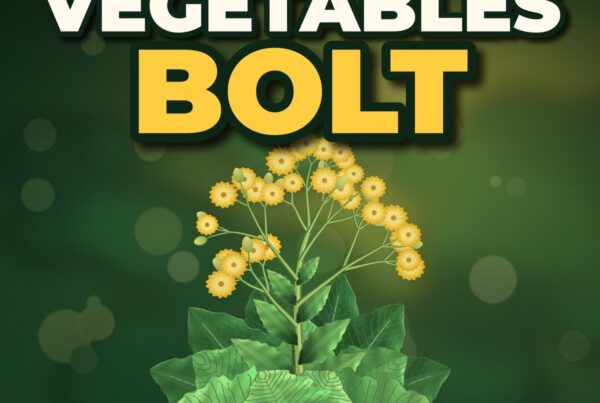
Broccoli turning yellow, with small yellow flowers opening on a head that was tight and green days ago, is bolting. The plant has switched from growing a head to making flowers and seed, and heat or water stress is the usual trigger. Cut the head as soon as you see yellow, keep the plant watered so it can send up side shoots, and time your next planting for cooler weather. If the leaves are yellow and the head is still green, the cause is different and is covered near the end of this article.
Broccoli Turning Yellow Is Usually Bolting From Heat Stress
A broccoli head is a cluster of flower buds that has not opened yet. When the plant is stressed, it races to finish its life cycle, and those buds swell, fade to yellow, and open into small yellow flowers. University of Illinois Extension lists yellow flowers as a sign of over-maturity and says they can show up early during periods of high temperature, before the head has finished developing. It also names several other triggers: planting too early or too late, young plants chilled for an extended time, plants held too long or too dry before planting, and severe drought.
Temperature does most of the damage. Utah State University Extension reports that broccoli grows and yields best when temperatures stay at or below 75°F, and that heat and water stress cause heads to open up and flower, with hot weather producing loose heads that taste bitter. The University of Minnesota Extension adds that daytime highs of 86°F or more, combined with nights above 77°F, can stop a plant from forming a crown at all. University of Maryland Extension notes that broccoli and its relatives respond to temperature and day length, and that stressed, overly mature transplants and tight plant spacing make early flowering more likely.
Plant size at transplanting matters too. USU recommends transplants with 4 to 6 mature leaves and a healthy root system, and warns that oversized transplants tend to form small, early heads called buttons. If your plant made a tiny head and then flowered, our article on cauliflower not forming a head explains the same buttoning problem in a close relative.
What Yellowing Broccoli Means for Your Harvest
Once flowers start to open, the window to harvest at peak quality has closed. University of Minnesota Extension says to cut the head right away if you miss the tight-bud stage, and notes that broccoli does not keep its quality once it is mature. Illinois Extension describes the ideal head as large, firm, and bright green or purplish green, cut with 5 to 6 inches of stem.
The plant itself is not finished. After the central head comes off, USU reports that plants given extra water and fertilizer can produce many side shoots 3 to 6 inches long. Illinois Extension notes that late side shoots may only reach 1 to 2 inches across, so harvest them young and often.
How to Manage Heat and Keep Broccoli Firm Longer
• Plant for cool weather. Illinois Extension recommends spring and fall crops, and Maryland Extension reports more consistent yields from fall plantings in its region. Maryland Extension suggests sowing in late July for a fall crop in central Maryland, so adjust that date for your own frost dates.
• Pick the right variety for the season. Minnesota Extension suggests a heat-tolerant variety with a short 50 to 60 day cycle for spring, and a 60 to 85 day variety for fall. Illinois Extension cautions that heat-tolerant types still do not cover the hottest part of the season.
• Keep water even during heading. USU recommends 1 to 2 inches per week, applied deeply and not too often. Our guide to watering in summer heat covers how to adjust when temperatures climb.
• Mulch with organic material. USU recommends it once temperatures pass 80°F, and mulch also helps the soil hold moisture.
• Give plants room. Illinois Extension suggests 18 to 24 inches between plants in a row, or about a foot apart in all directions in a bed.
• Check the heads every day or two in warm weather. The gap between a tight green head and a flowering one can be short, so harvest while the buds are still closed.
If the Leaves Are Yellow Instead of the Head
Yellow leaves on a plant with a green, tight head are a separate issue. UC IPM explains that low nitrogen shows up as slow growth and yellowing of older leaves first, because the plant moves nitrogen to new growth. The soil often holds enough nitrogen, but roots cannot absorb it when the soil is cold, wet, or compacted, or when roots are damaged or watering is uneven, and extra fertilizer will not fix those causes. Check drainage first, and read our guide to overwatering signs and fixes if the soil stays soggy.
Related Questions
Will broccoli grow back after I cut the head?
The main head will not regrow, but the plant can keep producing smaller side shoots if it gets steady water and some added nitrogen. Leave the lower part of the plant in the garden after you cut and harvest the shoots as they reach a usable size.
At what temperature does broccoli start to struggle?
Utah State University Extension puts the best range at 75°F or below. Minnesota Extension reports that daytime highs of 86°F or more with nights above 77°F can stop crown formation, though plants may form a crown if it cools off.
Can heat-tolerant varieties prevent bolting?
They can extend the season but do not remove the limits of hot weather. Illinois Extension points out that heat-tolerant varieties do not cover the hottest parts of the season, so planting time still matters most.
Does crowding make broccoli flower sooner?
It can. Maryland Extension reports that close spacing can encourage bolting. Giving each plant 18 to 24 inches in the row, as Illinois Extension suggests, reduces that risk.
Sourced from University of Illinois Extension (extension.illinois.edu), Utah State University Extension (extension.usu.edu), University of Minnesota Extension (extension.umn.edu), University of Maryland Extension (extension.umd.edu), and UC IPM (ipm.ucanr.edu).