QUICK ANSWER
Vermicomposting, also called worm composting, uses red wiggler worms to turn kitchen scraps into worm castings, a dark, crumbly soil amendment you can mix into potting soil or spread around vegetable plants. A basic setup is a shallow 14-gallon bin with 4 to 6 inches of damp shredded-paper bedding, kept between roughly 55 and 77°F, with small amounts of food buried in the bedding each week. Most beginner problems come from two things: too much food and too much water.
Vermicomposting Basics: What You Need to Start
The worm that does this job is the red wiggler (Eisenia fetida). Penn State Extension notes that common nightcrawlers are not suited to household bins, so buy red wigglers from a bait shop or worm supplier rather than digging up whatever turns up in the yard. A 14-gallon plastic tote is the standard starter container. Oregon State University Extension describes this size as holding 2 to 2½ pounds of worms and handling about 2 pounds of food scraps a week, and recommends keeping the bin depth at 1 foot or less so the worms stay near the surface where the food is.
Choose a dark, opaque bin with a lid. Worms avoid light, and a lid keeps moisture in and pests out. Penn State suggests drilling about ten ¼-inch holes in the bottom for drainage and another ten near the top rim for airflow, then setting the bin on spacers over a tray to catch any liquid that drains out.
Bedding matters as much as the worms. Fill the bottom of the bin 4 to 6 inches deep with a mix of shredded newspaper, small pieces of corrugated cardboard, straw, or crushed leaves. Narrow newspaper strips work better than cross-cut shredder confetti, which packs down and cuts off airflow. Skip glossy paper and green grass clippings.
Setting Up Your Worm Bin Step by Step
• Moisten the bedding until it feels like a wrung-out sponge. Oregon State and Illinois Extension both use that comparison: a squeeze should release only a few drops. Worms breathe through their skin, so soggy bedding can drown them.
• Add a little grit. Worms have no teeth, so a small handful of sand, crushed eggshell, or crushed oyster shell helps them grind food.
• Add the worms and let them settle for a day or two before you feed them.
• Bury the first food under the bedding in one corner, then cover the surface with about 2 inches of fresh bedding.
• Pick a spot that stays mild. Oregon State lists 55 to 77°F as the range where red wigglers do best, and Penn State advises keeping bins away from heat, cold, and the vibration of a laundry room. Red wigglers will not survive a hard winter outdoors, so cold-climate gardeners should keep the bin in a garage, basement, or utility room.
What to Feed Worms, and What to Skip
Good foods include fruit and vegetable scraps, banana peels, apple cores, squash, crushed eggshells, stale bread, plain pasta, and tea bags with the staples removed. Chop scraps small, since smaller pieces break down faster. Penn State adds that freezing scraps first softens them and speeds decomposition.
Keep these out of the bin: meat, fish, dairy, oils, butter, salad dressing, pet waste, and anything spicy or heavily salted. Citrus peels and onions are too acidic for most bins, and Illinois Extension recommends going easy on coffee grounds, since a heavy dose can turn the bin hostile to the worms. Penn State also warns that heavy loads of brassica scraps such as cabbage and broccoli can cause strong odors, so bury small amounts or skip them.
How Much to Feed Without Overdoing It
Overfeeding is the most common beginner mistake. Oregon State recommends starting with ¼ to ½ pound of scraps per pound of worms per week, and keeping any surface food layer no more than 1¼ inches deep. Penn State estimates that an established pound of worms (roughly 1,000 of them) eats about ½ to 1 pound of scraps weekly. If food is still sitting untouched after two to three weeks, stop adding more for a while and let the worms catch up.
How to Harvest and Use Worm Castings
Expect about three to six months from setup to finished compost. Oregon State says to harvest when the material looks dark and crumbly and smells earthy, and to harvest at least twice a year. The easiest method is to push the finished material and worms to one side, add fresh bedding and food on the other side, and wait a few weeks while the worms migrate. You can also dump the bin onto a tarp, pile it into small cones in the sun, and brush away the top layer as the worms burrow toward the center.
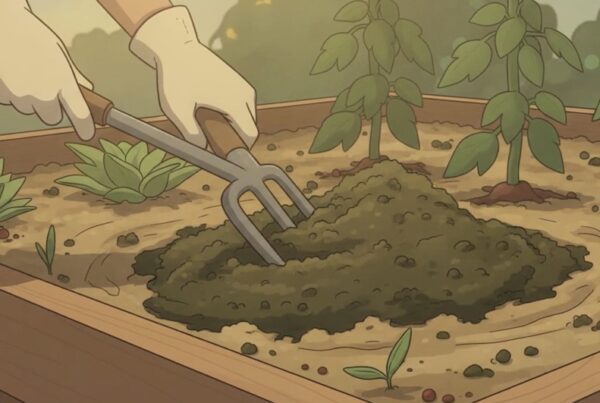
Mix castings into potting soil at about 25 percent of the total volume for container plants, or work them into vegetable beds at planting time. For plants already growing, spread a 1 to 2 inch layer around the base and keep it away from stems. Penn State notes that castings can improve soil porosity and water-holding capacity. If you plan to use them in seed-starting mixes, Penn State suggests freezing the castings for one to four weeks first to kill leftover egg cases and tiny worms. For a refresher on balancing the carbon-rich and nitrogen-rich materials in a regular outdoor pile, see our guide to getting your compost ratio right.
Related Questions
Does a worm bin smell?
A healthy bin smells earthy, not rotten. Bad odors usually trace back to overfeeding, wet bedding, or too many strong-smelling scraps such as cabbage-family vegetables. Stop feeding for a week or two, add dry shredded paper, and bury new food deeper in the bedding.
Can I keep a worm bin outside in winter?
Only in mild climates. Oregon State reports that red wigglers feed less and become less active below 50°F, and Illinois Extension says they will not survive Illinois winters outdoors. Move the bin into a garage, basement, or utility room before temperatures drop.
How is vermicomposting different from a regular compost pile?
A regular pile relies on heat-loving microbes and needs enough volume to warm up, which is why a compost pile that is not heating up is such a common complaint. A worm bin stays cool, works on a small scale, and fits indoors, but it handles only modest amounts of kitchen scraps and has stricter rules about what goes in.
Why are there seedlings sprouting in my worm castings?
Seeds from food scraps, such as tomato or squash seeds, can survive the bin. Oregon State notes that volunteer seedlings are possible. Pull them out or transplant them, or freeze the castings before use if you want a seed-free amendment.
Sourced from Oregon State University Extension (extension.oregonstate.edu), Penn State Extension (extension.psu.edu), and University of Illinois Extension (extension.illinois.edu).