QUICK ANSWER
Potato scab is a soil-borne bacterial disease that causes rough, corky patches on tuber skin — caused by bacteria that thrive when soil is dry during tuber formation and when soil pH runs above 5.2. It’s purely cosmetic, not dangerous, and completely preventable with a few soil adjustments before your next planting.
Why Potato Scab Happens
Potato scab is caused by Streptomyces bacteria that live naturally in most garden soil. Under normal conditions they don’t cause problems, but two things make an outbreak more likely: soil that dries out during the critical 4-8 week window when tubers are forming, and soil pH above about 5.2. The bacteria infect the tuber’s skin through natural openings, creating the rough, raised, corky patches that give scab its name.
Potato scab only affects the skin, not the flesh underneath — affected potatoes are still fully edible, just peel away the scabbed skin. Worth knowing too: the same bacteria can occasionally affect beets, radishes, and turnips, though it’s rarely a significant problem on those crops the way it is on potatoes specifically.
The bacteria typically enter through natural openings in young, developing tubers — tiny pores called lenticels, or small wounds in the skin. This is part of why the tuber-formation window matters so much: once the skin has matured and thickened past this vulnerable early stage, the risk of new infection drops substantially, even if soil conditions later become less favorable for the bacteria.
How to Prevent Potato Scab Next Season
There’s no in-season treatment for tubers already forming — potato scab prevention is a planning issue, not a quick fix once symptoms appear:
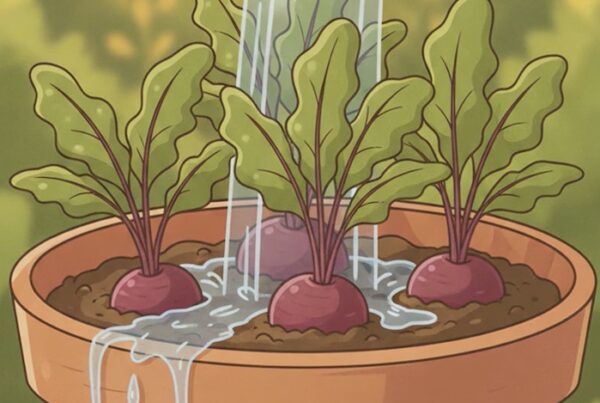
• Keep soil consistently moist during tuber formation (roughly 4-8 weeks after planting) — this is the single biggest lever, since dry soil during this specific window is the most common trigger.
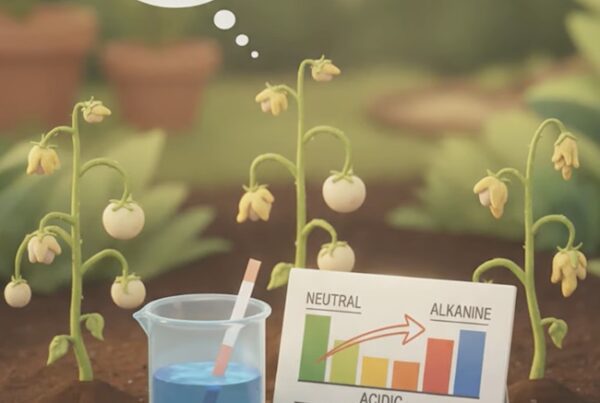
• Avoid adding lime before planting potatoes. Lime raises soil pH, and scab bacteria thrive in higher-pH conditions — potatoes actually prefer slightly acidic soil, in the 5.0-5.2 range, which happens to suppress scab at the same time.
• Rotate potatoes out of an affected bed for 2-3 years if scab recurs, since the bacteria persist in soil once established.
• Choose scab-resistant varieties if it’s a recurring problem in your soil specifically. Among russet types, Russet Burbank and the newer Freedom Russet show meaningfully better resistance; for chipping varieties, Superior, Pike, and MegaChip offer reasonable tolerance. No variety is fully immune, and resistance can vary by region depending on which strain of the bacteria is present locally, so checking with your local extension office for varieties proven to perform well in your specific area is worth the extra step.
Common Scab vs. Other Potato Problems
Potato scab is sometimes confused with other tuber issues, so it’s worth knowing what it isn’t. Blight is a separate, more serious fungal disease that attacks foliage and can destroy an entire crop — scab is purely a cosmetic skin issue that doesn’t spread the same way or threaten the plant itself. There’s also a related but distinct condition called powdery scab, caused by a different organism entirely, which can look similar enough that a lab test is sometimes needed to tell them apart with certainty. If you’re seeing scab symptoms combined with unusual moisture problems or the lesions look deeper and more pustule-like than typical common scab, it’s worth sending a sample to a plant diagnostic lab rather than assuming — the two conditions respond somewhat differently to soil management overall, so knowing which one you actually have affects which specific fixes are worth prioritizing first in your particular garden.
Related Questions
Can I still eat scabby potatoes?
Yes — peel away the affected skin and the flesh underneath is completely unaffected and safe to eat.
Does mulching help prevent potato scab?
Indirectly, yes — mulch helps keep soil moisture more consistent through the tuber-formation window specifically, which addresses one of the two main triggers directly rather than just improving soil health generally.
Will potato scab spread to my other vegetables?
It can occasionally affect beets, radishes, and turnips grown in the same soil, though it’s rarely a significant issue on those crops — potatoes remain by far the most commonly and severely affected host.